Things to do on the Opal Coast: 25 highlights, by local hosts
From the chalk cliffs of Cap Blanc-Nez to the cobbled lanes of Boulogne-sur-Mer: everything worth seeing and doing on France's Opal Coast, with ready-made itineraries for 2, 4 or 7 days — just 35 minutes from the Eurotunnel.
By the Blueportel team — hosts in Le Portel · Updated on · 16 min read
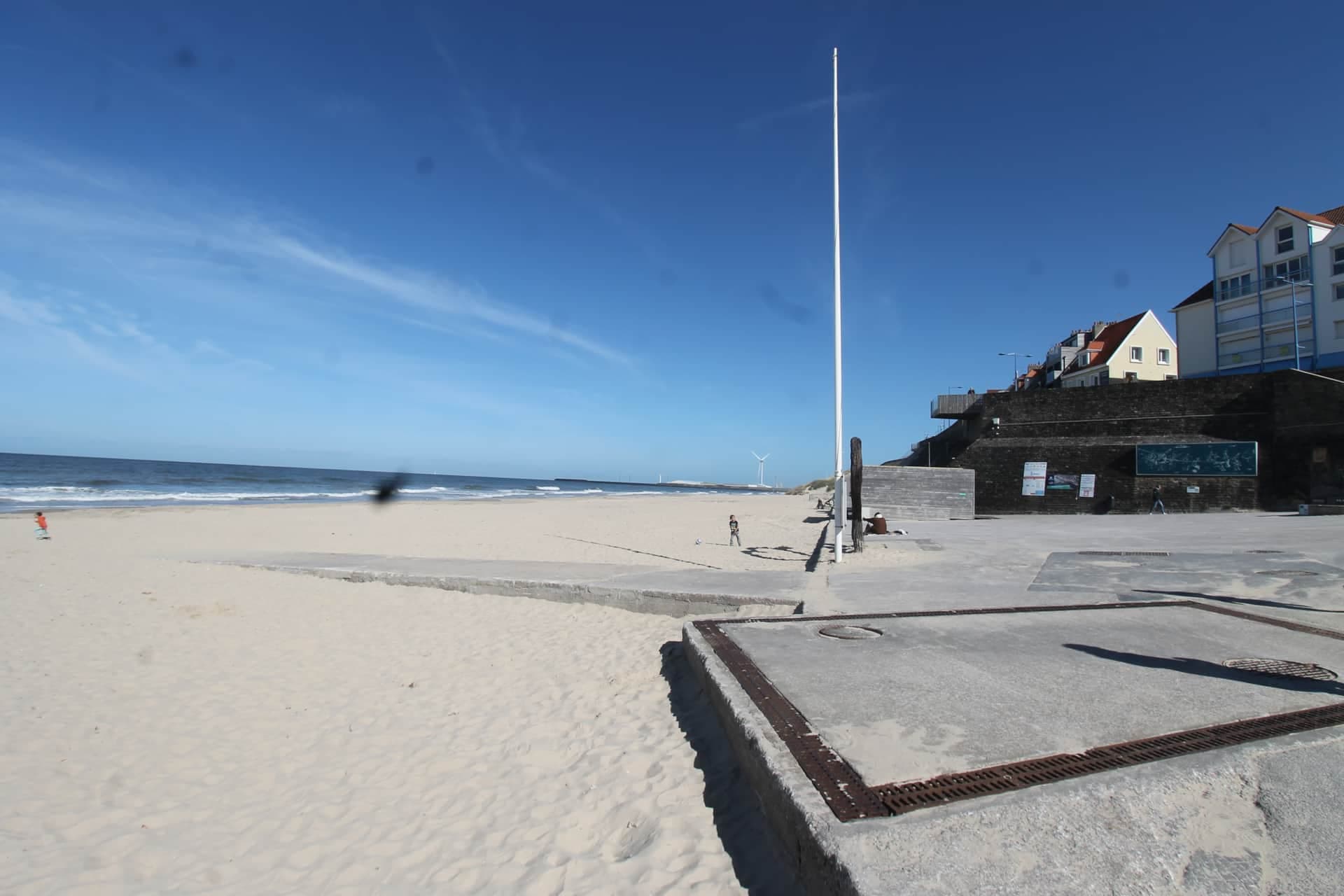
What is there to do on the Opal Coast? The short answer: climb the chalk summits of Cap Blanc-Nez and Cap Gris-Nez, dive into Europe's largest aquarium at Nausicaá, wander the fortified old town of Boulogne-sur-Mer, eat a 'welsh' facing the sea and walk the GR 120 coastal path along the cliffs. The long answer is this guide: 25 experiences sorted by mood, with real driving times and three ready-made itineraries.
We host travellers all year round in our seafront mobile homes in Le Portel, at the heart of the Opal Coast between Boulogne-sur-Mer and Equihen-Plage — and only 35 minutes from the Eurotunnel terminal, which makes this stretch of coast the easiest 'real France' escape from the UK. This guide gathers what we genuinely recommend to our guests: the classics that deserve their reputation, the quieter spots locals keep to themselves, and the pitfalls to avoid (overflowing cape car parks in August, tide times to check before walks on the foreshore).
One hundred and twenty kilometres of coastline between Berck-sur-Mer and the Belgian border, two Grand Site de France landscapes, fishing villages, Belle Époque resorts and endless sandy beaches: the Opal Coast is one of France's most underrated destinations. Here's how to make the most of it.
The Two Capes Grand Site: Blanc-Nez and Gris-Nez
If you do only one thing on the Opal Coast, make it this. Cap Blanc-Nez (134 m) and Cap Gris-Nez (45 m) together form a Grand Site de France, a label reserved for the country's most remarkable landscapes. From Le Portel, allow 25 minutes to Gris-Nez and 40 minutes to Blanc-Nez.
Cap Blanc-Nez is the spectacular white chalk cliff — France's most northerly, and the mirror image of Dover's. On clear days you can see the English coast 34 km away: this is the narrowest point of the Channel. The Blanc-Nez loop walk (6.5 km, about 2 hours) starts from the Escalles car park and follows the cliff edge: guaranteed panoramas over the strait, the ferries crossing below and, in spring, rapeseed fields glowing against the chalk.
Cap Gris-Nez is wilder, lower, more mineral. It's the region's best spot for migrating birds (over 300 species recorded) and overlooks the world's busiest shipping lane. The Crans path between Audresselles and the cape crosses heathland and coves — one of our favourite late-afternoon walks, when the low light turns the cliffs gold.
- Practical tip: both cape car parks are free but saturated between 11am and 4pm in summer. Come before 10am or after 5pm — the light is better then anyway.
- Between the two capes: the village of Audresselles and its low fishermen's cottages, where the crab and lobster are landed the same day.
- With children: the descent to Wissant bay beach, fine sand with both capes in view at once.
Nausicaá, Europe's largest aquarium
In Boulogne-sur-Mer, 10 minutes from Le Portel, Nausicaá is Europe's largest aquarium: 10,000 m² of exhibitions, 58,000 animals, and above all the high-seas tank — a dizzying 10,000 m³ viewed through a 20 m × 5 m window, one of the largest in the world. Manta rays, hammerhead sharks, shimmering shoals: people happily stand motionless in front of it for twenty minutes.
Allow 4 to 5 hours for the two trails ('Journey on the High Seas' and 'Mankind and Shores'), the sea lion tunnel, the touch pool where children stroke rays, and the penguin zone. Nausicaá is more than an aquarium: it's a UNESCO-recognised centre for ocean discovery, and the scenography makes it gripping for adults too.
The essentials: book dated tickets online (cheaper, and you skip the entrance queue), and aim for the 9:30am opening or after 2:30pm outside school holidays — French, Belgian and English half-terms all show up here, so check all three calendars.
Boulogne-sur-Mer: the walled old town and the port
Boulogne-sur-Mer is much more than Nausicaá's home town. Its hilltop walled old town is one of the best preserved in northern France: walk the complete circuit of the ramparts (1.5 km, 360° views over the Boulonnais), step into the basilica of Notre-Dame and its crypt — the largest in France, 1,400 m² of underground chambers — and browse Rue de Lille between cheesemongers, bookshops and estaminets.
The 13th-century castle-museum, built without a keep (a rarity), houses a wonderfully eclectic collection: Inuit masks, Greek vases, Egyptian mummies. Down below, Boulogne remains France's leading fishing port: in the morning on Quai Gambetta, fishmongers sell the night's catch. This is where to buy sole, smoked mackerel and herring — or eat them straight away in one of the port's brasseries.
Our suggested day from Le Portel: Nausicaá in the morning, lunch by the port, ramparts and basilica in the afternoon, back via Le Portel beach for the sunset from the terrace. It's the day we recommend to every guest staying just two nights.
The beaches: 120 km of sand from Le Portel to Berck
The Opal Coast lines up some of northern Europe's finest beaches, each with its own character. Le Portel beach, below the cliff and facing the Fort de l'Heurt (a Napoleonic fort you can walk to at low tide), is our daily backdrop: fine sand, a sand-yachting school and a family-friendly promenade, 300 m from our mobile homes.
Wimereux charms with its Belle Époque promenade and listed colourful villas; Hardelot stretches 12 km of sand backed by dunes and pine forest, perfect for sand yachting; Le Touquet-Paris-Plage plays the elegant card with its beach cabins, listed covered market and children's beach clubs; Wissant, between the two capes, is kitesurfing heaven; Berck-sur-Mer hosts the International Kite Festival every April, and harbour seals can be watched in the Authie bay all year round.
One golden local rule: always check the tide times. At low tide the sea retreats hundreds of metres, uncovering sandbanks, warm shallow lagoons (the 'bâches' children adore) and the walk to the Fort de l'Heurt; at high tide some beaches shrink to a narrow strip below the sea wall.
Villages with character: Audresselles, Ambleteuse, Escalles
Between the big resorts, the coast strings together fishing villages that have kept their soul. Audresselles is the most authentic: low whitewashed cottages, flobart boats (the local flat-bottomed craft) beached on the shingle, and two or three addresses serving spider crab and lobster from the day's catch. Ambleteuse owns one of the coast's most photographed monuments: the Vauban fort, standing in the water at the mouth of the Slack — the only sea fort of its kind left on the Channel and North Sea coasts.
Escalles, tucked under Blanc-Nez, is the hikers' base camp; inland, the Course valley and villages like Wierre-Effroy reveal the other secret of the Opal Coast: ten minutes from the sea, the Boulonnais bocage unrolls hedgerows, valleys and white-stone villages reminiscent of the English countryside.
Montreuil-sur-Mer, 40 minutes south, deserves half a day: a citadel, 3 km of ramparts, cobbled lanes that inspired Victor Hugo's Les Misérables, and a record density of good restaurants — it's known as the gastronomic capital of the Pas-de-Calais.
Walking, cycling and beach sports
The GR 120 coastal path runs the whole length of the Opal Coast. The most spectacular stretch links Wimereux to Cap Gris-Nez via Ambleteuse and Audresselles (16 km), but short loops exist everywhere. From our mobile homes, you can walk the clifftop path from Le Portel to Equihen-Plage: 1.5 hours there and back above the sea, ending at Equihen's famous upturned-boat houses.
For thrills: sand yachting at Le Portel, Hardelot or Berck (the coast's signature activity, from age 8), kitesurfing at Wissant, longe-côte sea wading — the sport was invented on this coast — plus paddleboarding and sea kayaking at Wimereux. Golfers have two courses ranked among France's finest at Hardelot and two more at Le Touquet.
By bike, La Vélomaritime (EuroVelo 4) follows the coast from Berck to Dunkirk: hire bikes in Boulogne and ride the seafront to Wimereux — flat, safe, sea views all the way. Nature lovers shouldn't miss the Canche and Authie bays, two reserves where harbour seals and migrating birds can be watched year round.
What to eat on the Opal Coast
People come to the Opal Coast to eat, too. The king product is Boulogne fish: sole meunière, turbot, smoked herring, and grilled mackerel bought as the boats come in. Moules-frites are everywhere, but the bouchot mussels from Wissant bay are our favourite from July to January.
Local specialities to try: the welsh (cheddar melted in beer over bread and ham, grilled, served with chips — the emblem of northern French comfort food), the gainée boulonnaise fish stew, sugar tart and vergeoise-filled waffles. Among cheeses, Vieux-Boulogne is officially the smelliest cheese in the world (Cranfield University study); gentler options include aged Mimolette and the beer-washed Sablé de Wissant.
Markets to note: Boulogne-sur-Mer on Wednesday and Saturday mornings (Place Dalton), Le Touquet on Saturdays (a listed covered market), Wimereux on Tuesdays and Fridays. And for the full local experience, book a table in an estaminet: regional cheese boards, carbonade flamande and traditional wooden games.
Itineraries: 2 days, 4 days or a week
Here are the three programmes we hand to our guests depending on how long they stay, from our base in Le Portel — central, halfway between the Two Capes to the north and Le Touquet to the south:
| Stay | Suggested programme |
|---|---|
| Weekend (2 days) | Day 1: Nausicaá in the morning, Boulogne port and old town in the afternoon, sunset on Le Portel beach. Day 2: Cap Gris-Nez and Audresselles in the morning, Cap Blanc-Nez and Wissant in the afternoon. |
| 4 days | Add: day 3, Wimereux by bike along the Vélomaritime then the Ambleteuse fort; day 4, Le Touquet and Hardelot (beach, forest, sand yachting). |
| 1 week | Add: Montreuil-sur-Mer and the Course valley; Berck and the Authie bay seals; a lazy beach-and-foraging day; optionally Calais (the giant Dragon, the Lace Museum) — or a day trip to England, 35 minutes through the tunnel. |
When to come, and how to get here from the UK
The Opal Coast works all year round — that's part of its charm. Summer (June-August, 20-26°C) is swimming and beach season; May-June and September are our favourite months: superb light, quiet beaches, gentle prices; autumn and winter bring spectacular tides, deserted beaches and a cosy storm-watching atmosphere — many of our guests come precisely for that, walking into the spray then warming up facing the sea.
Key events: the Berck International Kite Festival (April, 500,000 visitors), the Enduropale at Le Touquet (February, the world's biggest motorbike beach race), the Fête de la Mer in Boulogne (July, every other year) and the Christmas lights of Boulogne's old town.
From the UK, this is the easiest stretch of 'deep France': 35 minutes from the Eurotunnel terminal at Coquelles, 40 minutes from the Calais ferry port, all motorway. Everything in this guide lies within 50 minutes of Le Portel — most of it within 25. Check our mobile home availability online and our seasonal rates if you're planning where to stay.
What does an Opal Coast holiday cost?
Good news: the Opal Coast remains one of France's most affordable coastlines — a fraction of Brittany or the south in high season. The great landscapes (capes, beaches, coastal paths, villages) are entirely free, car parks included outside the smart resorts. The main paid entries: Nausicaá (≈ €32 adult, €24 child online), Boulogne's castle-museum (≈ €10, free under 26), the Todt battery museum (≈ €12) and Aqualud at Le Touquet (≈ €20).
Eating out: budget €12-18 for a welsh or moules-frites in a brasserie, €25-35 for a seafood platter in Audresselles, €8-10 for fish and chips by the port. The best money-saver: buy the day's catch on Quai Gambetta in Boulogne and cook it yourself — one of the big advantages of a fully equipped mobile home over a hotel. For accommodation, 2026 ranges per night: hotel double in Boulogne €90-160, Le Touquet rentals €150-300, sea-view mobile home in Le Portel €80-140 for 4-6 people.
Out of season (October to March), prices drop 30-40% everywhere — and the coast is stunning under winter light. A family of four can manage a full, comfortable day for €130-180 by mixing free landscapes, home cooking and one paid activity. Add the short crossing from the UK and the total cost of an Opal Coast week often beats a comparable staycation.
Stay facing the sea in Le Portel
Blueportel offers two fully equipped mobile homes at Le Phare d'Opale campsite, on the clifftop of Le Portel: panoramic sea view, covered terrace, 10 minutes from Nausicaá and at the heart of the Opal Coast.
Frequently asked questions
What is the Opal Coast and where is it?
The Opal Coast (Côte d'Opale) is the 120 km of French coastline facing England, between Berck-sur-Mer and the Belgian border, in the Pas-de-Calais and Nord. Its main towns are Boulogne-sur-Mer, Calais, Le Touquet and Berck. It's 35 minutes from the Eurotunnel, 2.5 hours from Paris and 2 hours from Brussels.
What is the most beautiful part of the Opal Coast?
The Two Capes site (Blanc-Nez and Gris-Nez), a designated Grand Site de France, is widely considered the most spectacular: chalk cliffs, views of England and preserved fishing villages. The Boulogne-sur-Mer / Le Portel / Wimereux area is the most practical base: central, lively year-round and 10 minutes from Nausicaá.
How many days do you need on the Opal Coast?
A weekend covers the essentials (Nausicaá, Boulogne, the Two Capes). Four days add Wimereux, Le Touquet and Hardelot at a comfortable pace. A week is the ideal rhythm: walks, beaches, the hinterland and lazy days.
Is the Opal Coast worth visiting from the UK?
Absolutely — it's the easiest 'real France' escape from Britain: 35 minutes from the Eurotunnel, with Europe's largest aquarium, Grand Site cliff walks, exceptional seafood and prices well below the French south. Many British families use Le Portel as their first or last stop in France and end up returning every year.
Can you see England from the Opal Coast?
Yes — on clear days the white cliffs of Dover are visible to the naked eye from Cap Blanc-Nez and Cap Gris-Nez: only 34 km separate the two shores at the narrowest point. Best conditions: a rinsed sky after rain, morning or late afternoon.
Where should I stay on the Opal Coast?
The Le Portel / Boulogne-sur-Mer area is the most central: Nausicaá 10 minutes away, the Two Capes 25-40 minutes, Le Touquet 30 minutes. A sea-view mobile home like Blueportel's combines the central position, the quiet of a clifftop campsite and a gentler budget than resort hotels.
Related guides
Holiday rental near Boulogne-sur-Mer: sea views 10 minutes from Nausicaá
France's biggest fishing port, Europe's largest aquarium and a walled old town 10 minutes away — and your own terrace facing the Channel when you return. How to stay in Boulogne-sur-Mer from Le Portel.
Holiday rental near Cap Blanc-Nez: the white cliffs, 40 minutes away
France's most northerly chalk cliff, England on the horizon and the Grand Site hiking loop: Cap Blanc-Nez 40 minutes from your seafront terrace.
Holiday rental near Wissant: the coast's most beautiful bay, 35 minutes away
The perfect arc of Wissant bay between Cap Blanc-Nez and Cap Gris-Nez, the region's top kitesurfing spot and an unspoilt fishing village — 35 minutes from your seafront terrace.
Holiday rental near Le Touquet: the elegance, 30 minutes away — without the prices
Aqualud, the covered market, villas in the forest and a vast beach: Le Touquet by day, and in the evening a terrace facing the Channel for 2-3 times less than resort prices.